
PR stunt or brand film: where the budget should go
Some ideas are a thing and not a story, and a thing does not need thirty seconds. KFC Netherlands has just made the point with a handbag full of pickles.
What KFC did
In October, KFC Netherlands and the agency Truus released the Gherkin Bag: a transparent handbag filled with real pickles and brine from Kesbeke, an Amsterdam pickle maker, shaped to recall a famous designer bag. It has been carried around Amsterdam by selected Dutch creators and fashion figures.
It is a sequel. Earlier this year KFC in the UK made the Pickle Puffer, a see-through jacket filled with pickles, and the press picked it up around the world. The Dutch reply is the same joke moved from outerwear to accessories.
Look at the credits and the shape of the job is clear. A photographer. Hair and make-up. A production company. No director is listed.
(Campaign details from Ads of the World.)
The photograph is the campaign
An object idea travels as one picture. It lands in a news feed, a group chat or a trade newsletter, and it has to do all of its work there, without sound and without a caption anybody reads.
So the real deliverable is a fashion photograph of a bag. KFC's is styled and lit the way a fashion title would do it, and that is the joke: the more seriously the picture takes the bag, the funnier the pickles get.
That changes who should be in the room. The skill being bought is photography, styling and art direction, plus the unglamorous job of building a bag that holds brine without leaking onto somebody's coat.
The budget moves. It does not shrink.
It is tempting to read this as the cheap option. It is a different set of lines.
Fabrication. Prototypes, food-safe materials, enough finished units for everyone who will carry one, and spares.
The picture. Photographer, styling, hair and make-up, retouching. One day, done properly.
Getting it seen. Creators, seeding, press outreach. An object has no media plan. Reach is earned or it does not exist.
What leaves the budget is the big film shoot. That is the awkward part for a company like ours, because the film is what we are usually asked for.
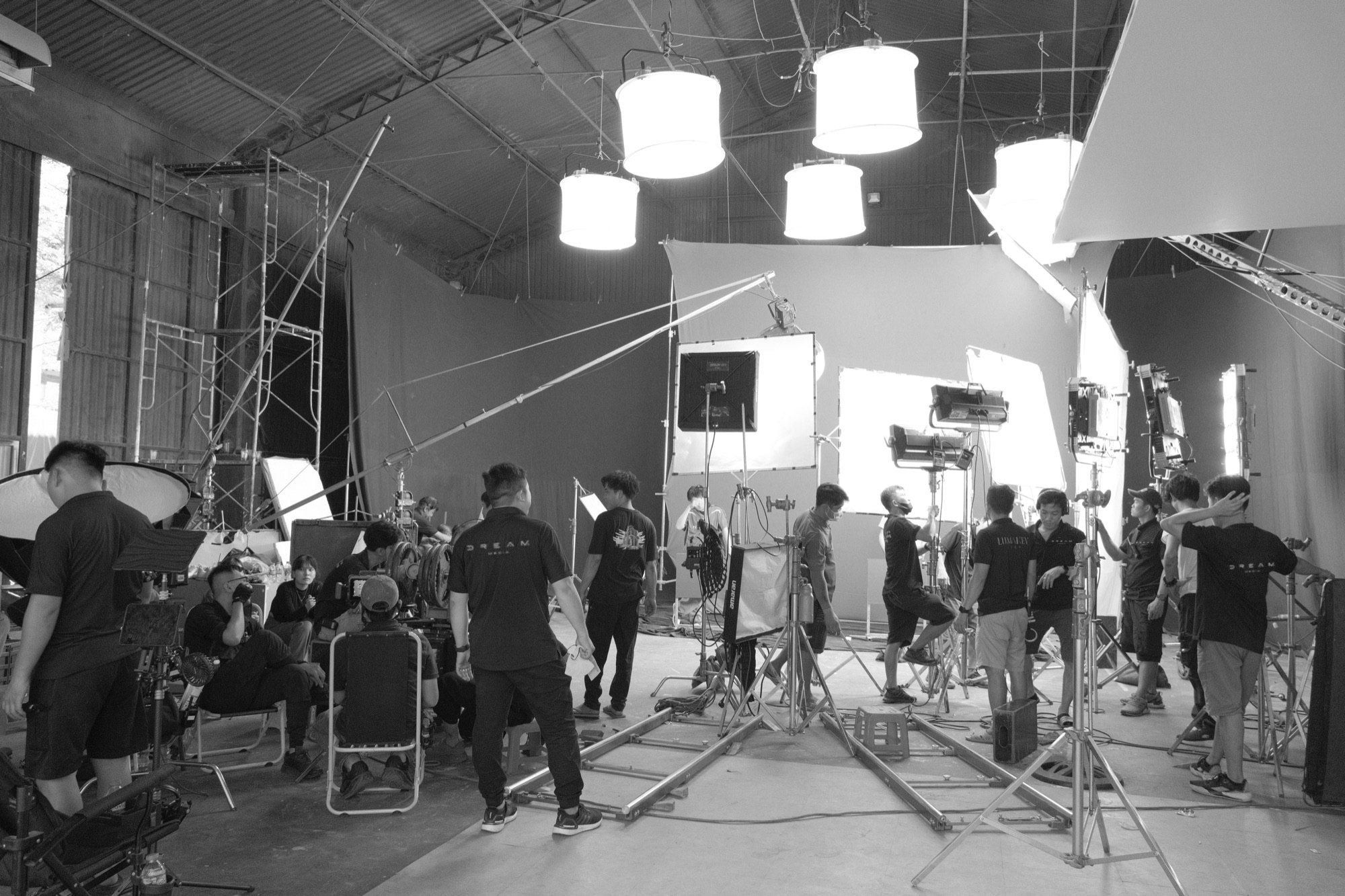
A big film shoot: a studio day on our CeraVe campaign. In a campaign built on an object, this is the line that leaves the budget.
The test to apply before the brief
We do creative as well as production, so we would rather say this before the money is committed than after.
Can the idea be understood from one photograph, with no caption? Then it is an object. Spend on the build and the picture.
Does it need time to land? A turn, a performance, a reveal, a feeling that builds. Then it is a film, and no photograph will carry it.
Most briefs arrive with the format already written in: one sixty, one thirty, cutdowns. The format has been decided before the idea exists. Leave that line open for one more meeting and sometimes the answer is cheaper, stranger and far more likely to be passed on.
What a film is still for
An object campaign usually still needs moving pictures. They have a smaller job.
Proof. Ten seconds, handheld, of a real person using the thing. Its only purpose is to show that the bag exists and is not a render.
The making. People believe an object more once they have watched it being built. Here behind-the-scenes stops being a nice extra and becomes the main film. It is a format we already shoot, as on CeraVe and Samsung.
Neither needs a sixty-person crew.
The picture has to survive every crop
A stunt photograph is cut down harder than any key visual: square for a feed, vertical for a story, a thumbnail in a newsletter, a strip on a news site. It should be composed for the worst of those, not the best.
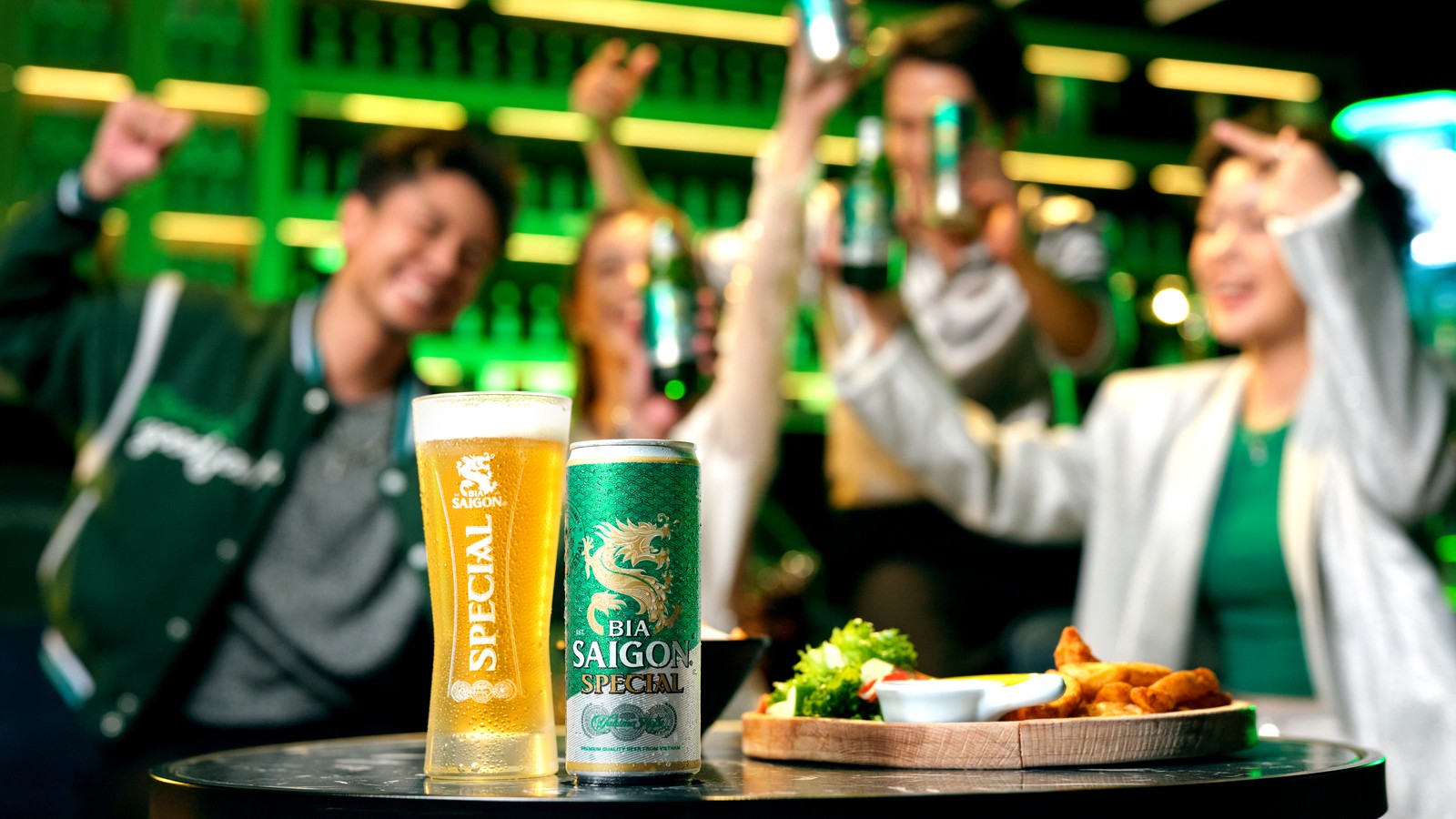
That is ordinary discipline in key visual and product photography, the kind we do for Bia Saigon and Fanta. It applies with more force here, because there is no film to fall back on.
Why this will not work for most brands
Three things are doing the heavy lifting, and none of them is the bag.
KFC is famous enough that an odd object from it is news. The Pickle Puffer had already proved the joke, so the sequel carried little risk. And a bag that nods to a designer original is a conversation with a lawyer that somebody had early.
Take those away and an object is a prop with no audience. For a brand people do not yet recognise, a film with paid media behind it is still the more reliable way to be seen. An object is a bet on being talked about, and bets can lose.
What to do differently
Before the next brief goes out, take the format line off it. Ask what the idea is first. Then ask whether it is a thing or a story. Only then decide what gets made.
Sometimes it will still be a film. It should be a film because the idea needs one.
Dream Media develops, directs, shoots and finishes brand films in-house in Ho Chi Minh City.