
Livestream production checklist for a brand broadcast
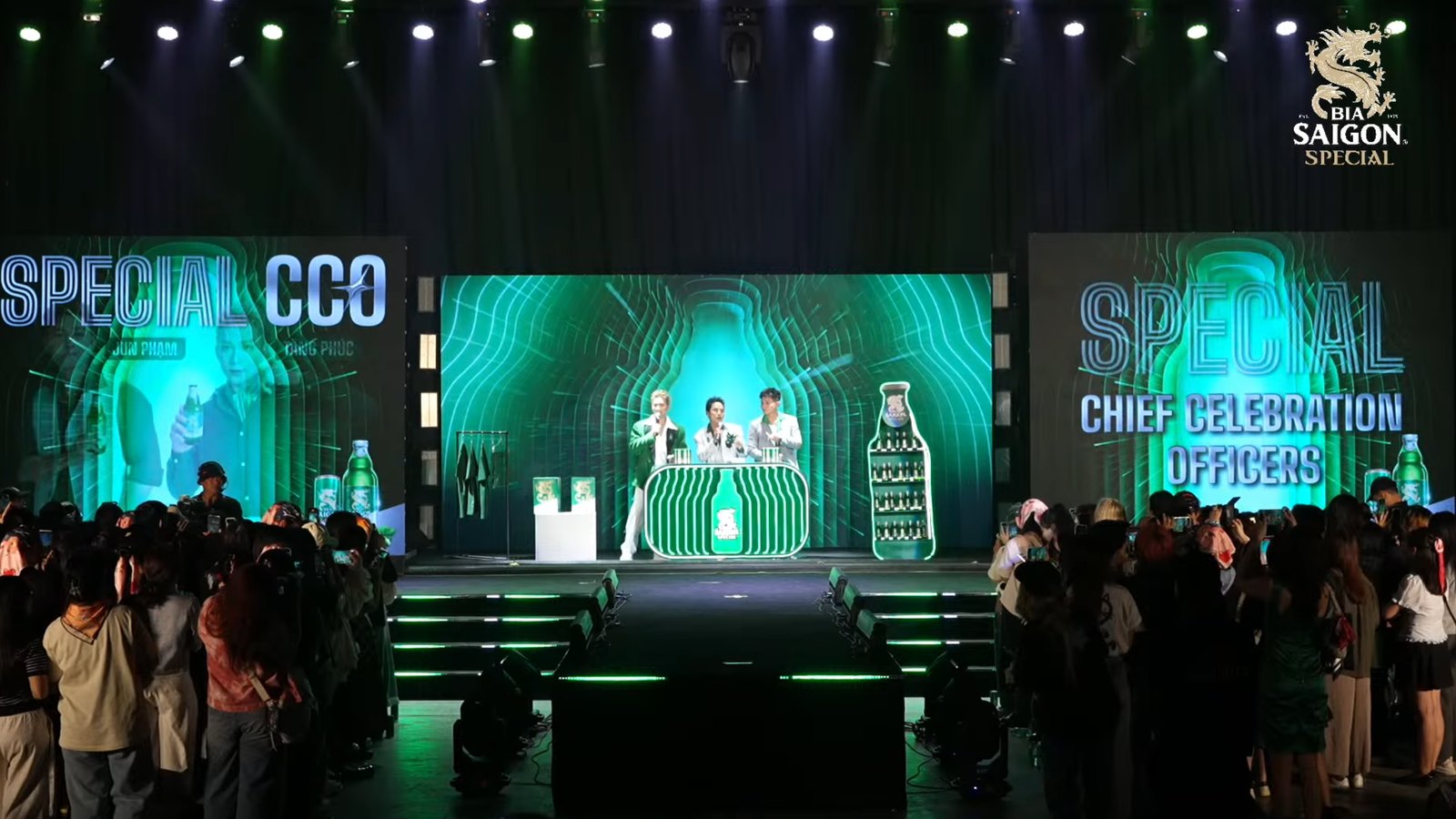
A brand livestream has no second take, so the whole job moves into preparation. What goes wrong on the night was nearly always decided, or left undecided, in the week before.
This is the livestream production checklist we work from. It follows the order of the job.
1. The technical plan and a private test
Survey the venue's internet line before anything else, and do not rely on shared Wi-Fi. Set up the channels the stream will go to. Then run a private test stream, end to end, on the real line.
A stream that has never been tested from the venue is being tested live.
2. The run-of-show
A minute-by-minute script: who speaks, which camera, which graphic, when the product appears, when the offer or the prize is announced. Everyone in the control room works from the same page.
Build in filler. A host who can talk for three minutes while a fault is fixed is worth more than an extra camera.
3. Graphics, made in advance
A countdown and a holding screen, for before the start and for any break.
Animated backgrounds in the campaign's key visual, in both 16:9 and 9:16.
Name tags, prize and product cards, and anything needed for games or votes.
All of it is prepared as templates, so the operator can change a name or a price live.
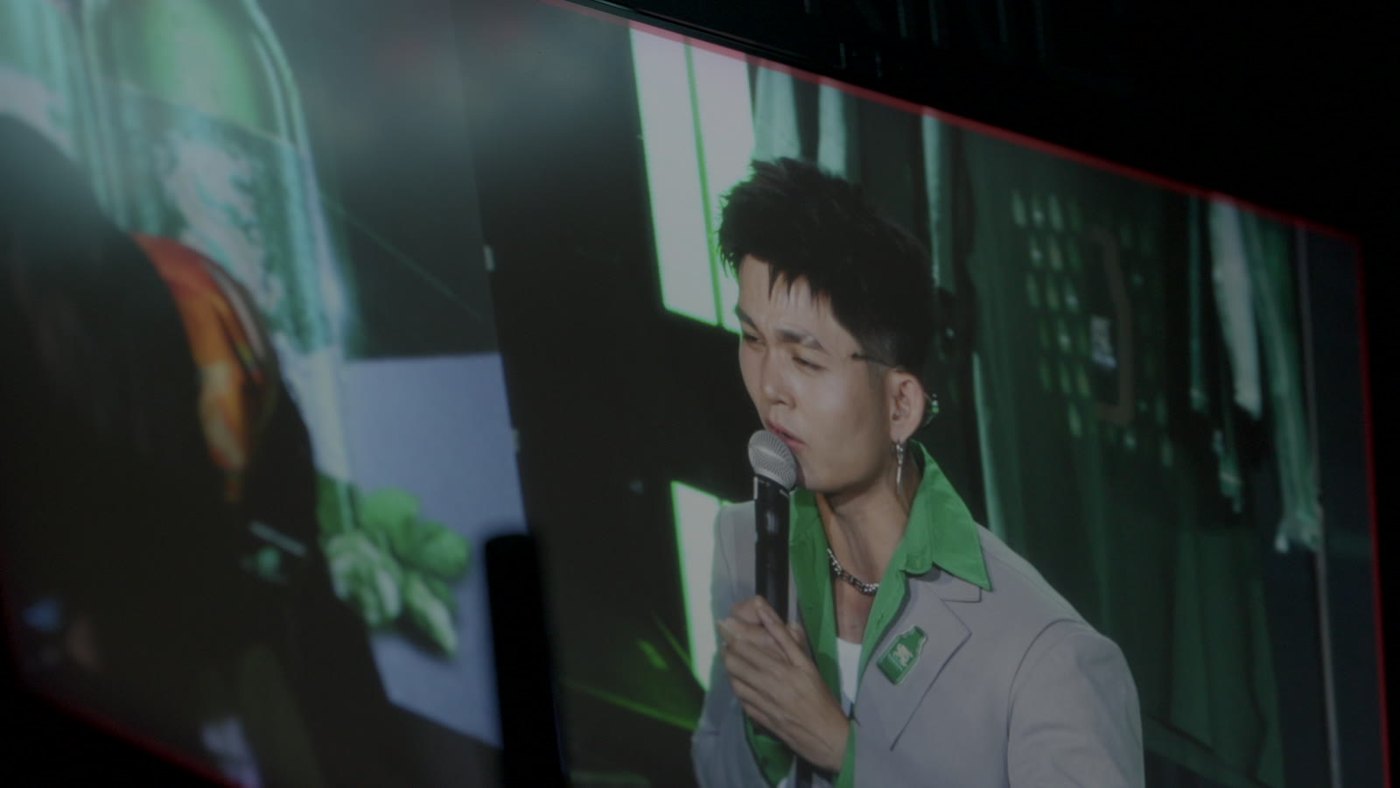
The host on the venue screen at the Bia Saigon Special show. What the room sees and what goes out on the stream are planned together.
4. Two platforms, two shapes
Platforms want different shapes. A broadcast going to Facebook in 16:9 and to TikTok in 9:16 at the same moment is two outputs from one show. Each needs its own framing and its own graphics.
Decide this first. It changes where the cameras stand and how every graphic is built.
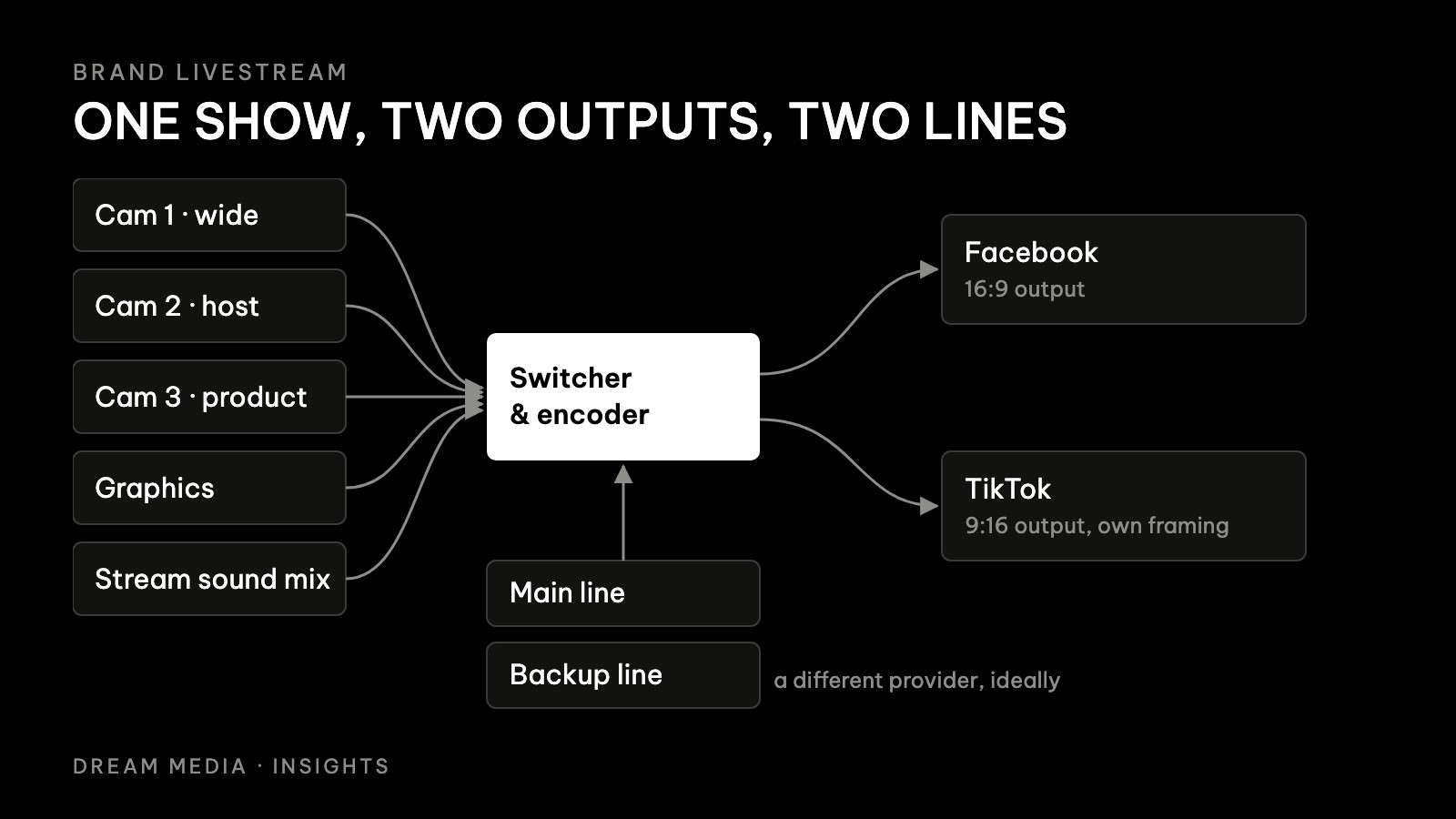
Three cameras, graphics and the stream mix into one switcher, out to two platforms in two shapes, over two internet lines.
5. Cameras and crew
For a studio show, three cameras is a sensible minimum: a wide, a close shot on the host, and one free for product and guests.
The crew that makes a live show work:
Producer. Owns the run-of-show and the client.
Director. Calls the cameras.
Camera operators. One for each camera.
Streaming technician. Mixing, encoding, and the outputs to each platform.
Graphics operator. Fires every name tag, card and screen.
Floor manager. The link between the control room and the people on stage.
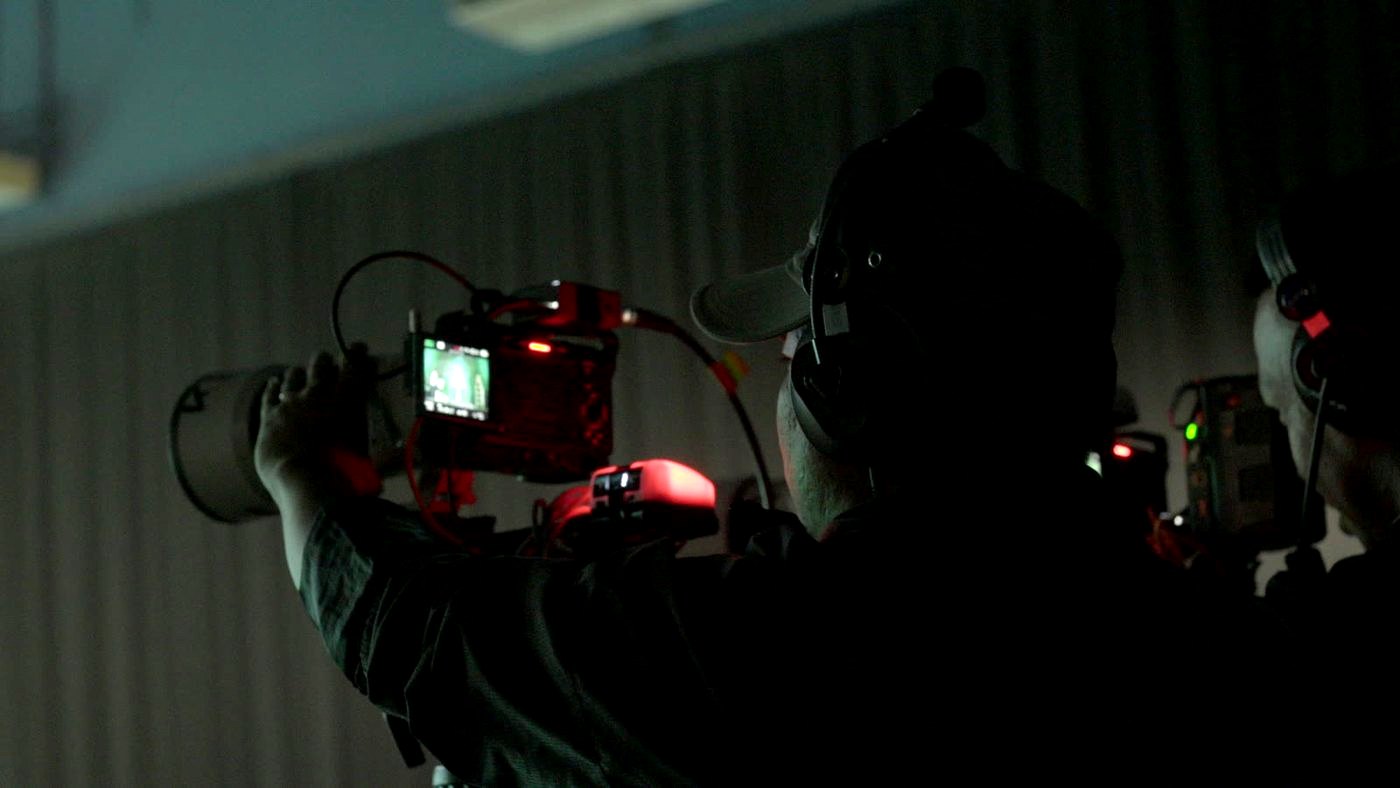
A camera operator during our Bia Saigon Special live show. Each camera has its own operator, all on the director's call.
6. Sound
Bad sound ends a stream faster than a bad picture. Give each speaker a microphone of their own, keep a spare ready, and mix the stream's sound separately from the room's.
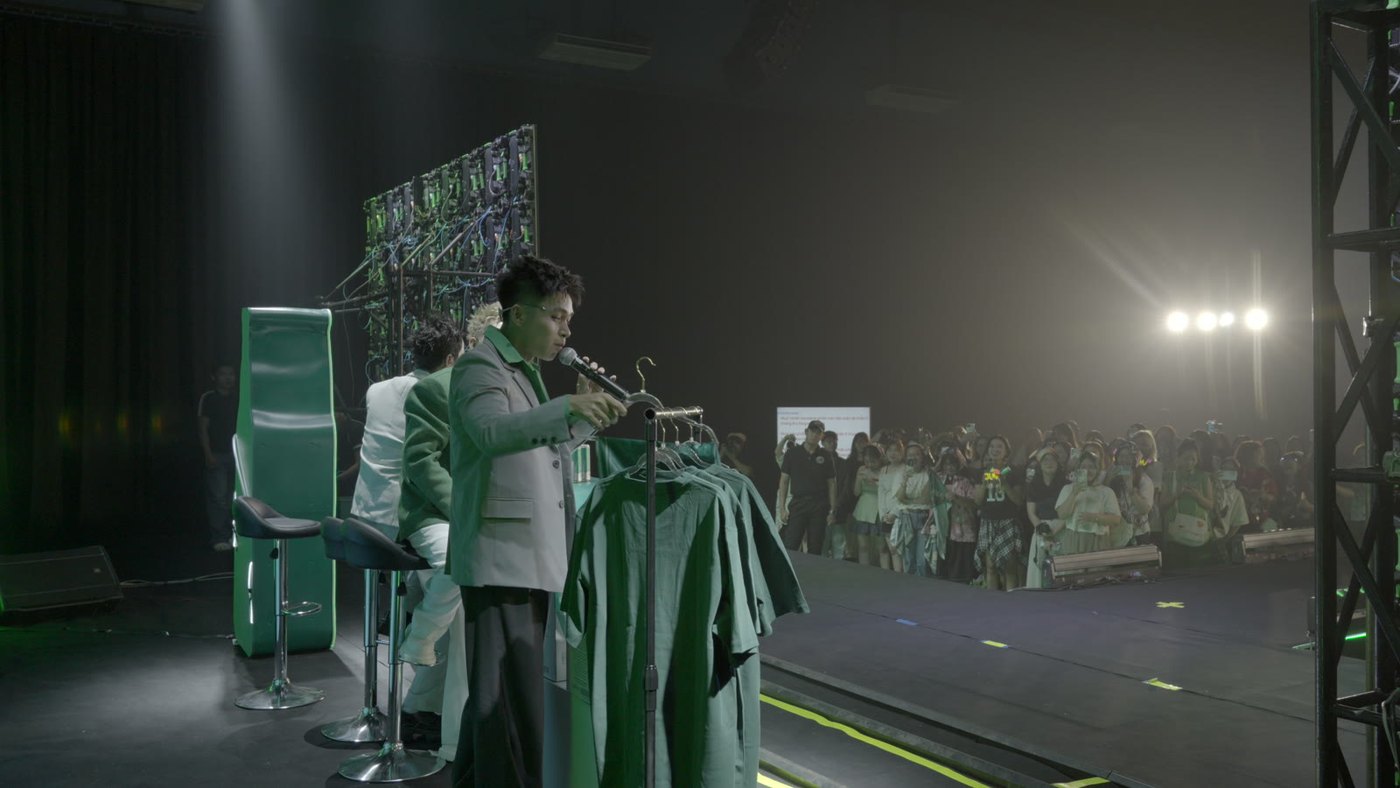
On stage at the Bia Saigon Special event. Hosts, set, screens and audience all have to be ready at the same second.
7. A fallback for every single point of failure
Internet. A main line and a backup line, ideally from a different provider.
Power. Know what happens if it drops, and how long a restart takes.
Cameras. If one fails, the show continues on the others.
The stream itself. A holding screen ready, and one person whose only job is to watch the output on a phone, as a viewer would.
Our broadcast for Bia Saigon Special was planned this way: signal paths, a camera plan, and a fallback for every single point of failure.
What the brand has to prepare
A production company can build the show. Only the brand can supply what goes into it.
The host and the guests. Guests and creators are normally booked by the client or its agency. The host needs the script early enough to rehearse.
Products and prices. Final packs, final prices and the order they are shown in. A price that changes on the day changes a graphic.
Offers and prizes. The rules for any giveaway or game, checked before the show, with someone named to pick and confirm winners.
Someone on the comments. A moderator who can answer questions, pass the good ones to the host and remove what should not be there.
An approver in the room. One person who can decide, live, whether to cut a segment or carry on.
8. Rehearsal
A full rehearsal with the host, the graphics and the real products. A studio show needs a set-up day and a live day, not one day for both.
9. After the stream
The recording is the cheapest content the campaign will make. Plan a recap film and several short clips in advance, and mark the moments worth cutting while the show is running.
Decide their lengths and shapes the way you would for any film. See video deliverables: cutdowns and aspect ratios.
Quick answers
How many cameras does a brand livestream need?
Three covers most studio formats. A stage event with an audience usually needs more.
Can one livestream go to Facebook and TikTok at once?
Yes. It is sent as two outputs, one horizontal and one vertical, each framed and dressed for its platform. YouTube has accepted horizontal and vertical streams from one show since September 2025.
How long does it take to prepare a livestream?
Allow two to three weeks for a studio show: the technical plan, the script, the graphics and a rehearsal. A large stage event needs longer.
Dream Media develops, directs, shoots and finishes brand films in-house in Ho Chi Minh City. See live stream production.